
(Really) Cold Feet? You Might Have Raynaud’s Disease
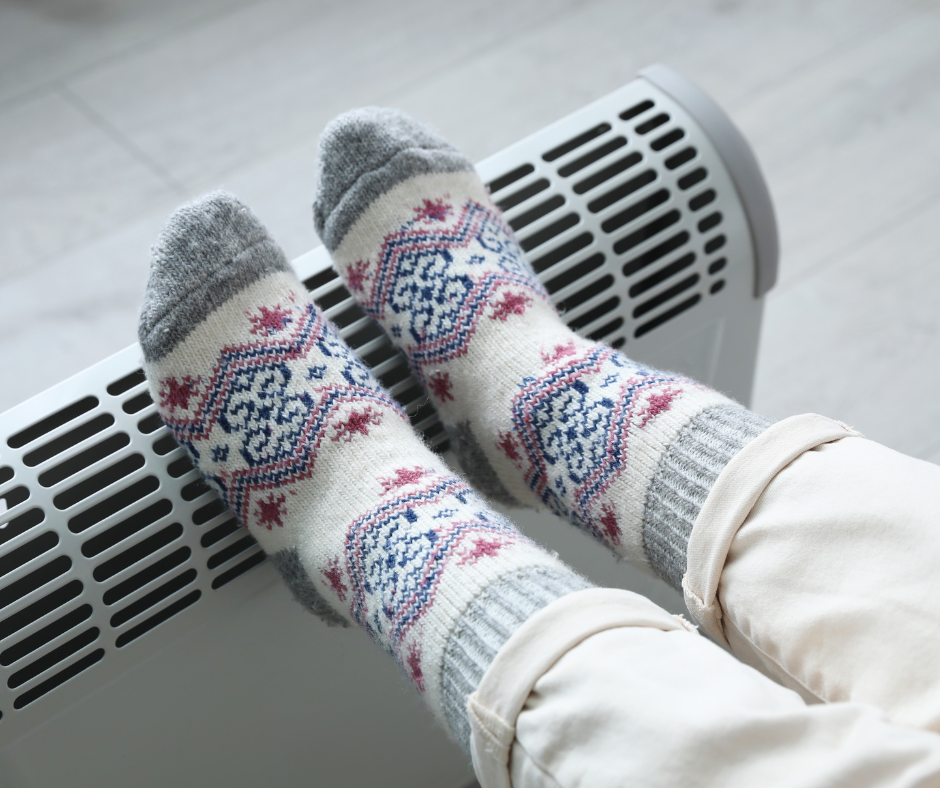
Does stepping out into the cold turn your toes white and blue? If your feet go numb, turn stark white, and then throb painfully as they warm up, it isn’t just poor circulation. According to Stavros O. Alexopoulos, DPM, you might have Raynaud’s Phenomenon. This is a condition where the small blood vessels in your feet have a complete overreaction to the cold by cutting off blood flow.
While it can be annoying and painful, a solid game plan can keep the blood pumping all winter long.
Preventing Raynaud’s Disease
The biggest misconception about Raynaud’s is that it is only about the feet. It isn’t. It is about the body’s total core temperature. If the brain senses that the chest and abdomen are getting chilly, it sacrifices the extremities to keep the vital organs warm.
Therefore, the best way to keep toes warm is to keep the core toasty. Wear a vest. Wear a hat. Layer up the torso.
If your core remains hot, the nervous system won’t feel the need to shut down the supply lines to the feet. Also, avoid tight socks or shoes that physically pinch the vessels, as this gives the Raynaud’s a head start.
Raynaud’s Disease and Lifestyle Triggers
There are two major enemies to avoid: caffeine and nicotine. Both of these substances are vasoconstrictors, meaning they naturally shrink blood vessels. Smoking a cigarette while drinking a coffee before heading out into the snow is basically asking for a Raynaud’s attack.
Keeping these stimulants to a minimum during the winter months can drastically reduce the frequency of spasms.
Managing Raynaud’s Disease
If an attack happens from being outside in the cold, the instinct is to stick frozen feet under hot water or right next to a heater. Don’t do it.
Rapid heating shocks the tissue and can lead to chilblains, which are painful, itchy red bumps, or even tissue damage.
Instead, the goal is a slow, gentle thaw. Use lukewarm water, wiggle the toes to encourage blood flow mechanically, or use the windmill technique with your arms to force blood to the extremities (which helps trigger a systemic warmup).
When to See a Doctor for Raynaud’s Disease
For most, Raynaud’s is manageable with good wool socks. However, if the skin breaks down into ulcers or if the color doesn’t return to normal after warming up, medical intervention is needed.
Podiatrists can prescribe medications or topical creams that force the blood vessels to relax, which keeps the circulation flowing even when the temperature drops.
Stay warm, stay dry, and keep that core heated!
For any questions about foot health and wellness, reach out to the tenured staff at My Chicago Foot Expert by calling (773) 561-8100 or by clicking here to schedule an appointment with Cook County podiatrist Stavros O. Alexopoulos, DPM, in our modern, comfortable Ravenswood office today.


