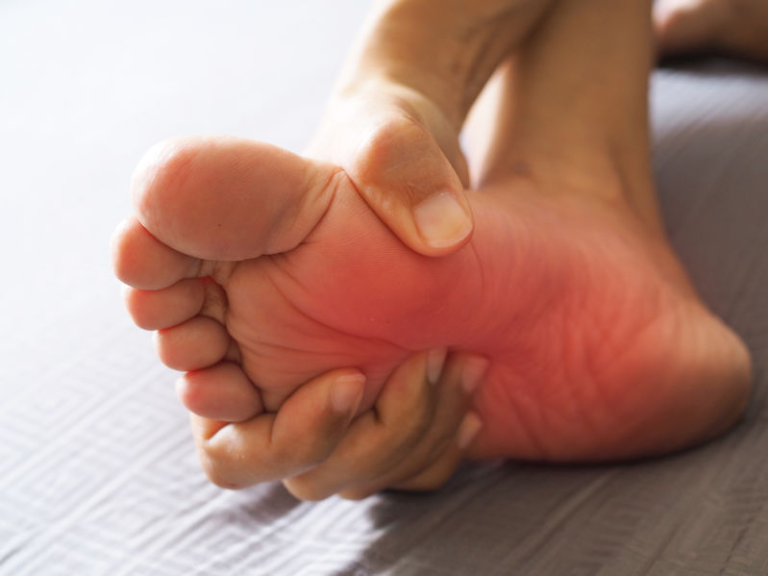
Relieving the Pain of Metatarsalgia

Foot pain is a common complaint that brings people to the Ravenswood office of Dr. Stavros O. Alexopoulos. Foot pain is a real problem that can make it hard for you to work, enjoy exercise, or go about the activities of daily living. Metatarsalgia is one common diagnosis related to this discomfort.
What is metatarsalgia?
Metatarsalgia is a pain in the ball of the foot, the area between the toes and the arches. Metatarsalgia gets its name because it’s located in the center of the metatarsals, the five bones just under the toes.
Who is at risk of metatarsalgia?
Anyone can get metatarsalgia. Runners are at particular risk, as they put frequent and increased pressure on the metatarsals. Others at high risk include people whose second toe is longer than their big toe and people with foot deformities such as bunions and hammertoes.
What causes metatarsalgia?
Although doctors have yet to pinpoint a single cause of metatarsalgia, contributing factors are well-known. In addition to running, these include:
- frequently wearing high-heel shoes, which shift weight to the ball of the foot.
- whole-body illnesses such as rheumatoid arthritis, osteoarthritis, and gout.
- excess weight or obesity stresses the bones, muscles, and soft tissues of the feet and ankles.
What are the symptoms of metatarsalgia?
The primary symptom of metatarsalgia is a pain in the ball of the foot. This pain may be sharp, aching, or burning. It may be worse with activity and subside with rest. Other symptoms include swelling, bruising, numbness, tingling, or a feeling like a stone is in your shoe.
What is the treatment for metatarsalgia?
Every visit to your podiatrist begins with a careful examination of your feet, ankles, and lower legs. Your doctor will look for the unusual appearance of the skin and shape of your feet and will ask you how you’re feeling.
If, after this careful examination, your doctor determines that the cause of your pain is metatarsalgia, many non-invasive treatment options are available. These include over-the-counter medication for pain and swelling, new footwear and orthotics, and custom shoe inserts to provide enhanced cushioning and support. Are you worried about metatarsalgia, or do you have another concern about the health and wellness of your feet, ankles, or lower legs? Call the friendly My Chicago Foot Expert staff at (773) 561-8100 or click here to schedule an appointment with Cook County podiatrist Stavros O. Alexopoulos, DPM, in our modern, comfortable Ravenswood office today.