Why Shoveling Snow is Dangerous for Your Feet
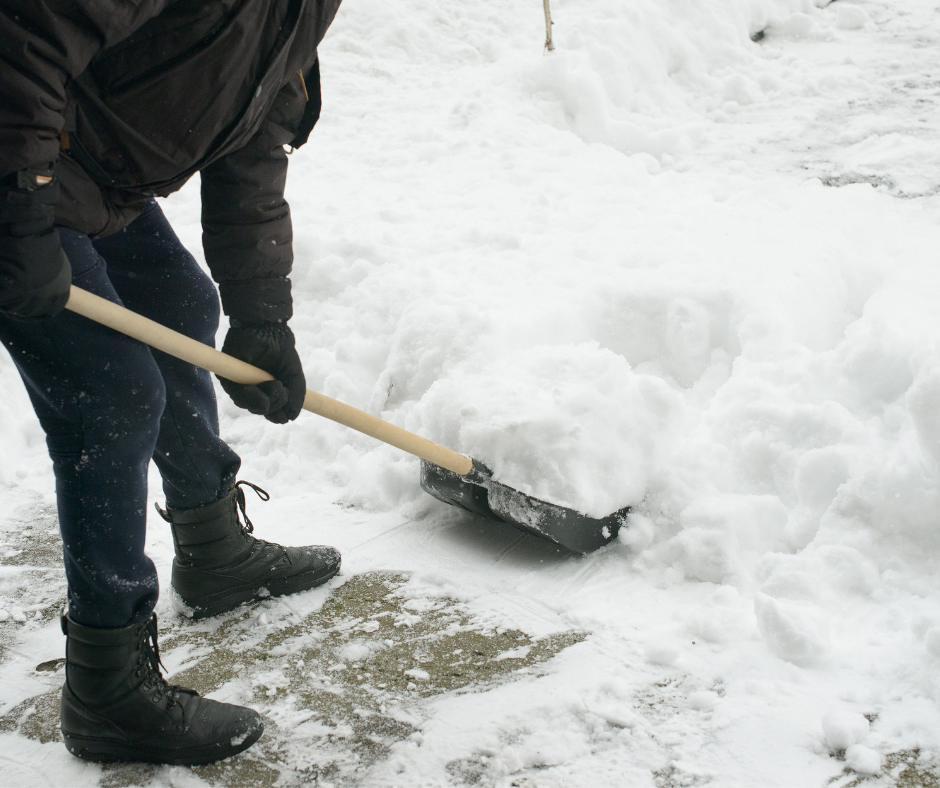
Snow is heavy, it’s freezing, and it usually happens right when you are trying to get to work or start your day. But is not shoveling just as dangerous for your feet as shoveling itself? Today, we at My Chicago Foot Expert will explain how your shoveling efforts, or lack thereof, can potentially harm your feet!
Common Ways to Injure Your Feet While Shoveling
An icy driveway is one of the most common causes of falls and subsequent ankle trauma, especially for seniors.
Shoveling itself is a high-intensity, full-body workout that you are performing in sub-freezing temperatures. Because of that, the risk of injury is surprisingly high if you aren’t careful.
Foot and Ankle Sprains
This is the most common hidden injury. When you are pushing a heavy shovel, you are often standing on an uneven, slippery surface, and it only takes one patch of hidden black ice for your foot to slide while your body stays put.
If you are wearing flimsy boots without traction, you are essentially asking for a trip to the podiatrist.
Heart Strain and Overexertion
It’s National Heart Month, so this is just a PSA:
Viral on TikTok for being a danger few knew before, shoveling is a novel movement above the heart line that can cause fatalities in even healthy individuals.
The cold air causes your blood vessels to constrict, which raises your blood pressure. When you combine that with the intense physical labor of moving hundreds of pounds of snow, your heart must work overtime. Every year, shoveling leads to thousands of hospital visits for cardiac issues. If you feel any chest pain or extreme shortness of breath, you need to stop immediately.
Cold Exposure and Poor Circulation
The environmental conditions of shoveling pose their own risks to your feet. Speaking of this reduced circulation and cardiovascular risk, shoveling makes the soft tissues in your feet less flexible and more prone to injury.
If your boots are too tight or if you are wearing multiple layers of thick socks that compress your feet, you further restrict this vital blood flow.
In extreme cases, this leads to chilblains, which we’ve recently written about—small, itchy, painful swellings on the skin caused by poor circulation in the cold. And, because cold skin is less sensitive, you might not notice a developing blister or a sharp stone in your boot until it has already caused significant damage to the skin barrier.
If you’d like more information on how to maintain circulation in this season’s frigid temperatures, read this article.
For any questions about foot health and wellness, reach out to the tenured staff at My Chicago Foot Expert by calling (773) 561-8100 or by clicking here to schedule an appointment with Cook County podiatrist Stavros O. Alexopoulos, DPM, in our modern, comfortable Ravenswood office today.