
4 Foot Conditions That Cause Leg Length Discrepancies
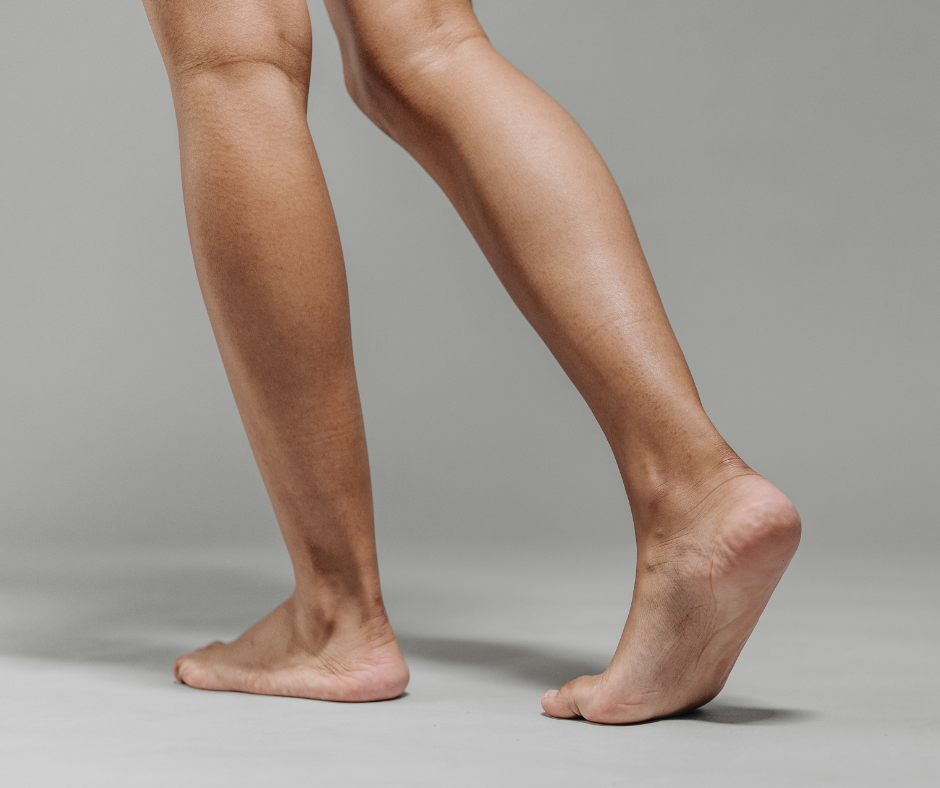
If one shoe wears down faster, your hip or low back nags after walks, or you feel crooked when you stand, a leg length difference may be part of the picture. Not every discrepancy comes from the thigh or shin bones themselves. Sometimes the cause is right under your nose, or rather, under your feet. At My Chicago Foot Expert, we often find that foot mechanics create a functional leg length difference that’s just as real to your joints as a structural one.
Understanding Leg Length Discrepancy
A structural discrepancy means one limb is physically shorter, whether it be from growth plate issues, fractures, or surgery. A functional discrepancy happens when foot and ankle alignment makes one side act shorter or longer during gait.
You might notice hip or back discomfort on one side, a heavier thud when you land, or shoes that tilt outward on one foot. The key is figuring out whether your feet are driving the asymmetry.
Flatfoot
When the arch collapses and the ankle rolls inward, the foot becomes more flexible and lengthens under load. That added length can make the pronating side functionally longer, tilting the pelvis and stressing the knee, hip, and back.
You’ll often see increased wear along the inner heel and arch of that shoe. Supportive footwear and a well-posted orthotic can center the arch and bring the pelvis back toward level.
High Arches
A rigid, high-arched foot doesn’t absorb shock well and stays relatively shortened through stance. That side may feel like it reaches for the ground, and the opposite hip works harder.
Cushioning, lateral posting, and flexible shoes help the rigid foot share load and reduce the apparent length difference your body keeps trying to compensate for.
Tight Calves and Early Heel Rise
Limited ankle dorsiflexion makes your heel pop up early when you walk, which effectively shortens that limb in mid-stance. The result can be toe pain, forefoot calluses, and an uneven stride.
Daily calf stretching, a small temporary heel lift, and targeted therapy restore motion and evens out your gait more than you’d expect.
Forefoot Alignment
Subtle forefoot shapes change how the foot meets the ground. A forefoot irregularity can drive extra pronation or make the foot more rigid.
But, custom orthotics that balance the forefoot let both sides load symmetrically, which your knees and back will appreciate.
What to Do Next
A simple mirror test won’t solve this, so you need a careful exam. We’ll compare true vs. functional length with a block test, assess your shoes, and watch your gait.
Many discrepancies improve with the right combination of shoe features, orthotics, calf mobility work, or a modest heel lift.
For any questions about foot health and wellness, reach out to the tenured staff at My Chicago Foot Expert by calling (773) 561-8100 or by clicking here to schedule an appointment with Cook County podiatrist Stavros O. Alexopoulos, DPM, in our modern, comfortable Ravenswood office today.


