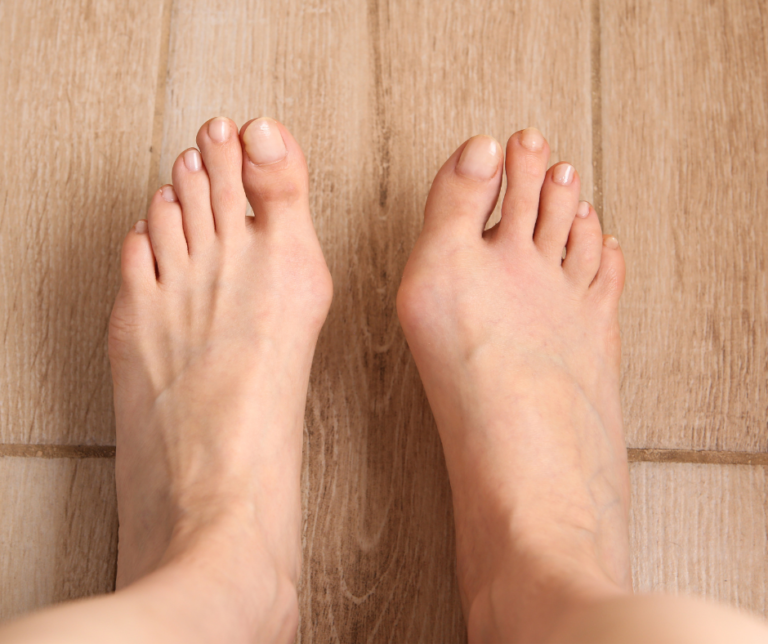
The Danger of Pushing Through Achilles Tendonitis
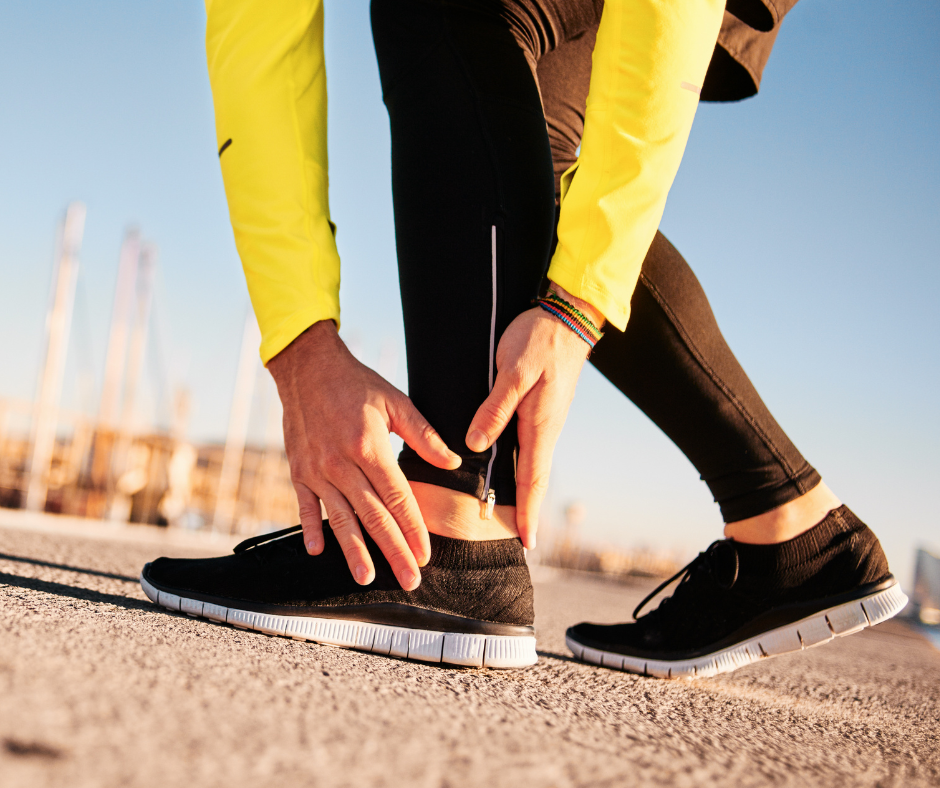
You finish your morning run and feel a tight, burning ache in the back of your heel. You stretch it out, assume it is normal muscle soreness, and push through the rest of your day. By the time you wake up the next morning, that dull ache has turned into a sharp, restrictive stiffness that makes walking flat-footed nearly impossible.
Many athletes and professionals write off Achilles Tendonitis as temporary fatigue. While overtraining plays a role, the root cause of this chronic heel pain is tied to your underlying biomechanics. Ignoring this structural warning sign forces your body to alter your gait, sending dangerous stress straight up your Kinetic Chain.
The Mechanics of Tendon Strain
The Achilles tendon is the largest and strongest tendon in your human body.
- It connects your powerful calf muscles to your heel bone, acting as the primary biological spring that propels you forward.
- When your foot functions properly, this thick, fibrous cord easily absorbs the forces generated during walking and running.
- However, when structural instability collapses your arch or repetitive stress overwhelms the tissue, the tendon develops microscopic tears.
This condition, medically known as Achilles Tendonitis, creates intense inflammation, physical thickening of the tissue, and severe pain right above your heel bone.
The Real Triggers Behind the Damage
Achilles tendonitis develops due to a combination of internal structural weaknesses and external lifestyle pressures. The most common contributing factors include:
- Inherited Foot Structure: Faulty foot mechanics, such as flat feet or severe overpronation, force the Achilles tendon to twist unnaturally with every step. This mechanical imbalance creates immense friction and premature wear on the tissue.
- Rapid Increases in Activity: Suddenly doubling your mileage on the Lakefront Trail or jumping into high-impact activity without properly conditioning the tissue overwhelms the tendon before it can physically adapt.
- Improper Footwear: Running or walking long distances in worn-out shoes that lack rigid arch support leaves the heel entirely exposed to ground reaction forces.
The Domino Effect on Your Kinetic Chain
Foot pain rarely remains isolated. Because your body functions as a tightly packed, interconnected system, a compromised Achilles tendon disrupts your lower body.
- When the back of your heel hurts, your brain automatically forces you to shorten your stride and shift your weight to avoid stretching the inflamed tissue.
- If you continuously alter your gait while walking through Ravenswood or commuting across Chicago, your knees, hips, and lower back must absorb highly unnatural biomechanical stress.
- Ignoring a strained tendon inevitably leads to chronic joint instability and, in severe cases, a tendon rupture, which requires immediate surgical repair.
Definitive Medical Interventions
The Achilles tendon receives incredibly poor blood supply, meaning it will never heal quickly or fully recover on its own without clinical intervention. Catching the strain in its early stages provides a wide variety of non-surgical options to eliminate the pain and halt the damage:
- Prescription Custom Orthotics: The gold standard for mechanical control. Medical-grade orthotics correct the underlying genetic instability in your arch, securing your heel and stopping the tendon from twisting under pressure.
- Targeted Physical Therapy: Specialized stretching and eccentric strengthening protocols safely rebuild the damaged tissue, restoring flexibility and preventing future micro-tears.
In the rare cases where conservative approaches aren’t working, we can explore other options together. Just remember: structural pain should not dictate your lifestyle or keep you off your feet. We’re here to get you moving again!
For any questions about foot health and wellness, reach out to the staff at My Chicago Foot Expert by calling (773) 561-8100 or by clicking here to schedule an appointment with Cook County podiatrist Stavros O. Alexopoulos, DPM, in our new, comfortable Chicago office, located at 5015 N Paulina Street, Suite #217.