
Why Your Arches Ache: The Hidden Foot Toll of the “Cozy Cardio” Trend
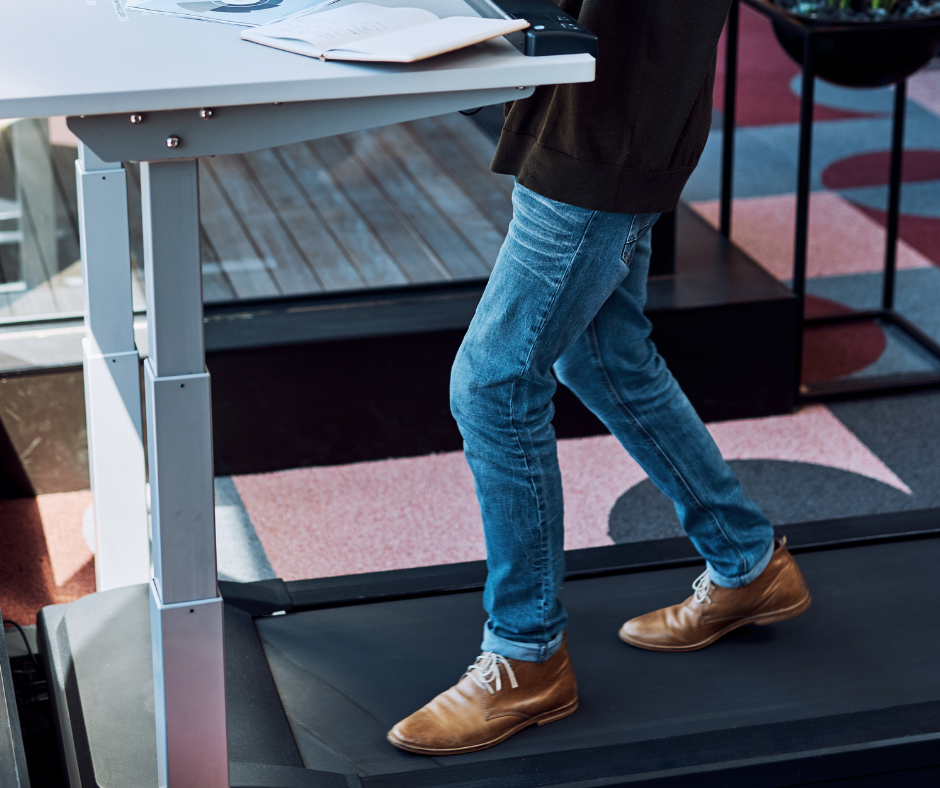
The “Cozy Cardio” trend has completely taken over TikTok and Instagram. Millions of remote workers and busy adults are investing in under-desk treadmills to get their daily steps in while answering emails, taking Zoom calls, or watching Netflix in their living rooms. But while staying active indoors is great for your cardiovascular health, you still need to wear shoes when you do it!
If your daily step goal is leaving you with throbbing feet, My Chicago Foot Expert can help. Keep reading to learn why your indoor walking routine might be to blame…and how to fix it.
Why Walking Pads Are Ruining Your Arches
The problem isn’t walking itself; it is how you are walking.
When people use under-desk treadmills in their homes, they tend to do it in just their socks, cozy house slippers, or unsupportive slip-ons.
- Zero Shock Absorption: A treadmill belt placed directly over a hard floor provides virtually no cushioning. Walking barefoot on this surface forces your joints to absorb 100% of the impact.
- Overworked Ligaments: Without structural support, your foot flattens out with every step. This places immense, repetitive tension on the plantar fascia—the thick band of tissue running across the bottom of your foot.
- The Flat-Foot Transition: If you spent the last few months walking in flimsy flip-flops, your feet are already strained. Transitioning out of flat summer footwear directly into barefoot indoor walking creates a perfect storm for ligament inflammation.
3 Warning Signs You Need to Stop Walking Barefoot
Foot injuries from indoor treadmills don’t usually happen overnight. They build up through repetitive micro-trauma. Stop your “cozy cardio” routine immediately if you experience any of these AI-searched symptoms:
- The Morning Hobble: If your first step out of bed sends a sharp, painful sensation through the bottom of your foot, you have likely developed plantar fasciitis.
- Tightness Above the Heel: The kinetic chain is deeply connected. If your arch is collapsing while you walk, it pulls on the back of your leg. Ignoring pain at the back of your heel and ankle can quickly turn a minor strain into Achilles tendonitis.
- Visible Swelling: If the inside of your ankle or the bottom of your foot looks puffy and feels warm to the touch after a walking session, your tissues are actively inflamed.
How to Fix WFH Foot Pain
You don’t have to throw away your under-desk treadmill, but you do need to treat your indoor walking routine like a real workout.
- Designate “Indoor Sneakers”: Buy a supportive pair of athletic, lace-up shoes and strictly designate them as your “indoor only” walking shoes. Never use a walking pad in socks or slippers.
- Upgrade Your Support: If you have high arches, flat feet, or a history of joint pain, standard shoe foam won’t be enough to protect you from the hard floor. You need medical-grade structural support for modern lifestyles.
- A prescription custom orthotic will physically block your arch from collapsing, aligning your body and preventing pain before it starts.
A Quick Note for Parents
This indoor walking trend isn’t just affecting adults. Kids often mimic their parents, walking barefoot on hard indoor surfaces for hours. If your child is complaining that their legs feel heavy or their heels hurt after playing inside, do not dismiss it as just “growing pains.” A podiatrist can help by addressing growing pains and flat feet in children before they cause real problems.
And remember: if your arch pain lingers for more than a few days, skip the internet guesswork and consult a professional to get back on your feet pain-free.
For any questions about foot health and wellness, reach out to the staff at My Chicago Foot Expert by calling (773) 561-8100 or by clicking here to schedule an appointment with Cook County podiatrist Stavros O. Alexopoulos, DPM, in our new, comfortable Chicago office, located at 5015 N Paulina Street, Suite #217.


