3 Reasons Your Custom Orthotics Might Not Be Working
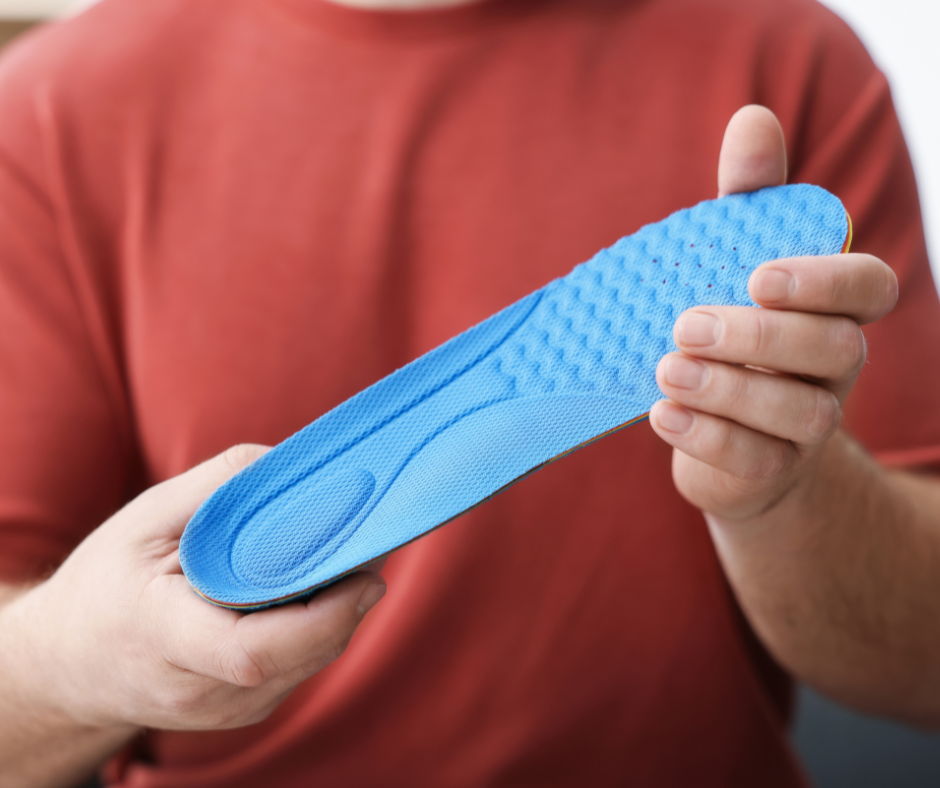
You probably remember the day you decided to invest in custom orthotics. You were likely tired of the constant arch fatigue or that sharp heel pain that ruined your morning walks. You went through the scanning or casting process, waited for them to be manufactured, and finally slipped them into your favorite sneakers. But if you are still feeling that same old ache, or maybe even a new one, we at My Chicago Foot Expert don’t want you to get discouraged.
Custom orthotics are medical devices designed to calibrate your gait, but they are not always a one-and-done solution. Here are three common reasons they might not be giving you the relief you expected.
Your Shoes Don’t Match Your Orthotics
One of the most common issues has nothing to do with the orthotic itself and everything to do with the shoe you are putting it in. An orthotic is designed to change the mechanics of your foot, but it needs a stable platform to do that work.
If you are trying to squeeze an orthotic into a worn-out sneaker with a collapsed midsole, or a flat dress shoe that has no structural integrity, the device cannot function.
A podiatrist can evaluate your footwear and ensure the shoe is deep and supportive enough to allow the orthotic to sit properly.
Your Body Is Still Adjusting to Your Custom Orthotics
If you just received your orthotics a few days ago, it is normal to feel a bit of discomfort. Your feet have likely spent years, or even decades, moving in a certain way. By introducing a custom device, you are essentially relearning how to walk.
This adjustment period involves shifting the load to muscles and tendons that might have been dormant for a long time.
However, if the pain is sharp or if it has been more than three weeks and you are still struggling, the correction might be too aggressive. In these cases, we can modify the orthotics by thinning out the material or adjusting the arch height to make the transition smoother.
The Prescription Needs a Tweak
Feet change over time. If your orthotics are several years old, or if you have had a significant change in your weight, activity level, or even a recent injury, the original prescription might no longer be right for you.
Sometimes, the initial shell is perfect, but the top cover has worn down, or a small component like a metatarsal pad has shifted.
Podiatrists can perform an in-office refurbishment by adding padding to specific hot spots, tilting the heel to stop you from rolling outward, or even using heat to slightly reshape the arch.
It’s these small, expert calibrations that can often turn an uncomfortable piece of plastic into the support you were originally promised.
For any questions about foot health and wellness, reach out to the tenured staff at My Chicago Foot Expert by calling (773) 561-8100 or by clicking here to schedule an appointment with Cook County podiatrist Stavros O. Alexopoulos, DPM, in our modern, comfortable Ravenswood office today.