Surviving the Chicago Winter Commute Without Foot Damage
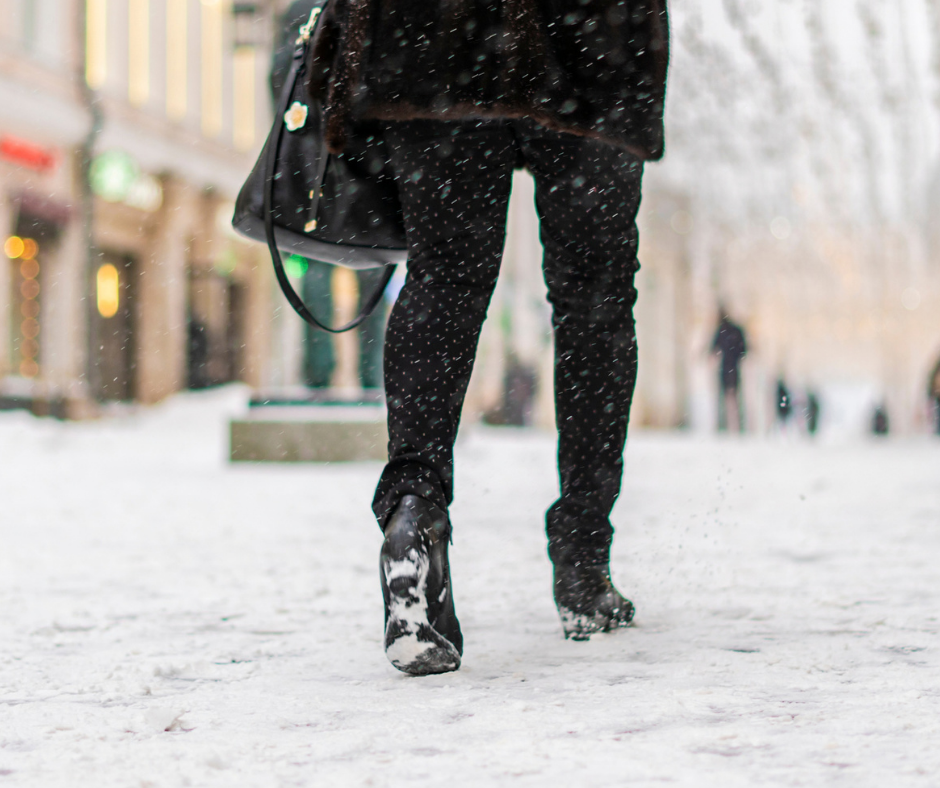
Waiting for the CTA on an elevated platform in January exposes your feet to a brutal combination of extreme wind chills and freezing temperatures. When your feet are trapped in heavy boots during a long winter commute, the mix of sub-zero cold and trapped sweat can trigger painful vascular issues.
Navigating the city in the winter requires more than just wearing a thick pair of socks. From painful chilblains to dangerous frostnip, understanding how to protect your feet from extreme temperature shifts is critical. My Chicago Foot Expert elaborates below.
Frostnip vs Chilblains: What to Watch For
When the temperature drops, your body automatically pulls warm blood away from your extremities to protect your vital organs. This lack of circulation leaves your toes highly vulnerable to two distinct cold-weather injuries:
- Frostnip: An early warning sign of frostbite where the top layers of skin freeze. Your toes will turn pale or bluish, become completely numb, and feel cold and hard to the touch. It happens during direct exposure to extreme wind chills.
- Chilblains: A painful inflammatory reaction that occurs after you come inside. It is caused by the sudden temperature change when you try to warm up freezing feet too quickly.
Why Your Toes Turn Red and Itchy After a Cold Commute
If your toes become bright red, swollen, and intensely itchy after stepping into a heated office, you are likely experiencing chilblains.
When you spend extended time in freezing temperatures, the small blood vessels in your toes tightly constrict. If those freezing vessels are suddenly exposed to intense heat, they expand too rapidly. This sudden rush of blood causes fluid to leak into the surrounding tissue, resulting in:
- Severe swelling and inflammation
- Burning and itching sensations that worsen with friction
- Dark red or purplish patches on the skin
- Small blisters or skin ulcers in extreme cases
How to Safely Thaw Freezing Feet
When you finally step off the freezing streets and into your home or office, you must warm your feet gradually to prevent vascular damage.
What NOT to do:
- Never place cold feet directly against a hot radiator or space heater.
- Never submerge freezing feet in a tub of hot water.
- Never rub or aggressively massage numb toes, as this can severely damage frozen tissue.
What to do instead:
- Remove dampness immediately: Take off wet boots and sweat-soaked socks the moment you get inside.
- Pat dry gently: Do not rub the skin with a towel.
- Use natural body heat: Put on a dry pair of thick, breathable wool socks and let your body slowly restore circulation at room temperature.
Essential Winter Boot Features for City Commuters
A proper commuter boot must balance structural support with thermal protection. When upgrading your winter footwear, look for these three non-negotiable features:
- Deep Lugged Rubber Outsoles: Standard foam or plastic soles freeze and turn into ice skates. Look for soft, specialized rubber compounds with deep traction grooves that remain flexible in sub-zero temperatures to grip black ice.
- Moisture-Wicking Linings: Trapped sweat freezes rapidly, accelerating heat loss. The interior must feature shearling, merino wool, or advanced synthetics that pull moisture away from the skin.
- Rigid Heel Counters: Slipping on ice forces your ankle to twist violently. A stiff heel cup locks your ankle into proper alignment, preventing sprains and strains when navigating unplowed crosswalks.
If winter weather has left you with persistent numbness, lingering foot pain, or skin lesions that refuse to heal, do not wait for the symptoms to worsen. Have your feet evaluated by a professional to prevent long-term damage!